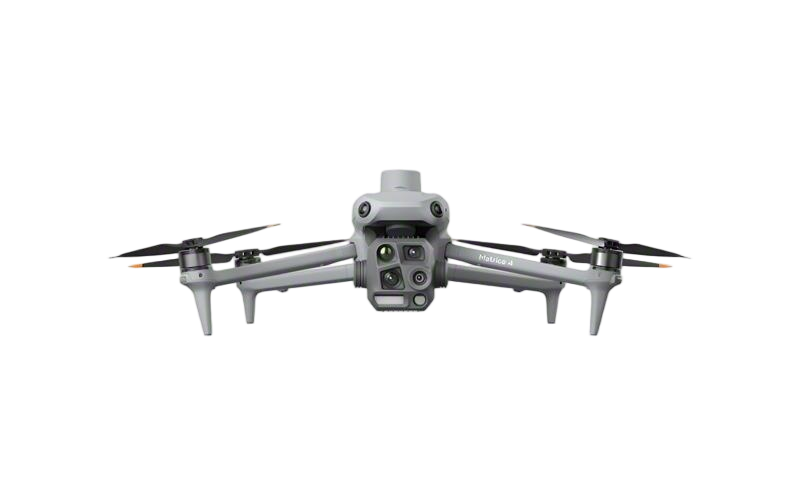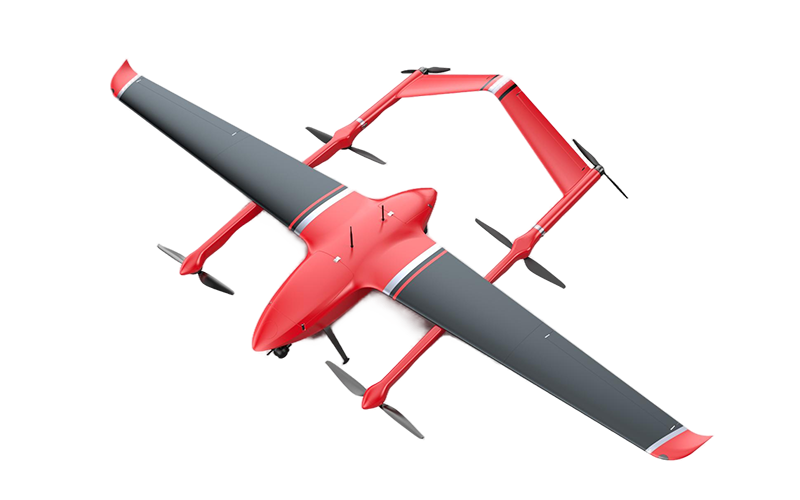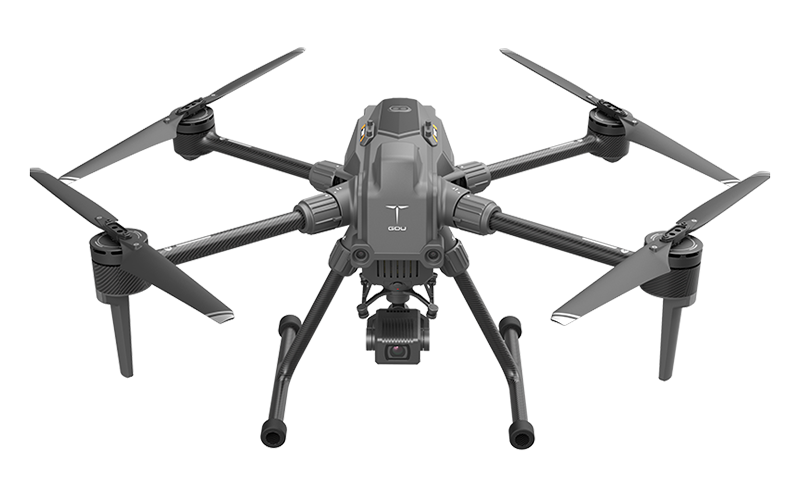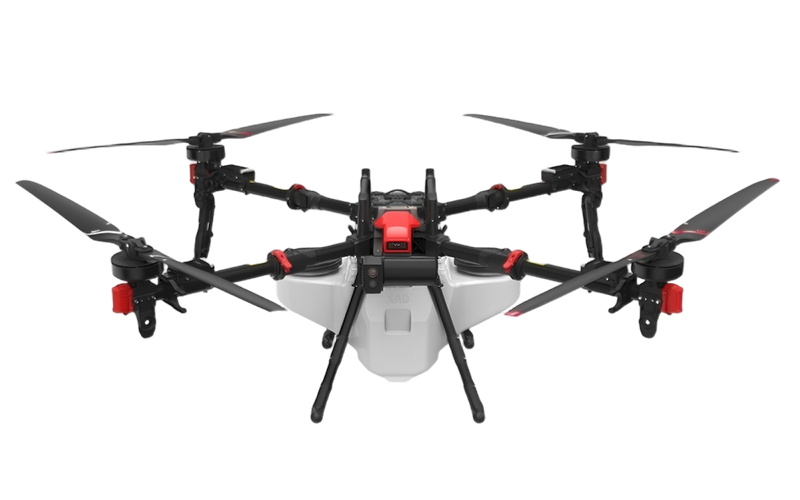
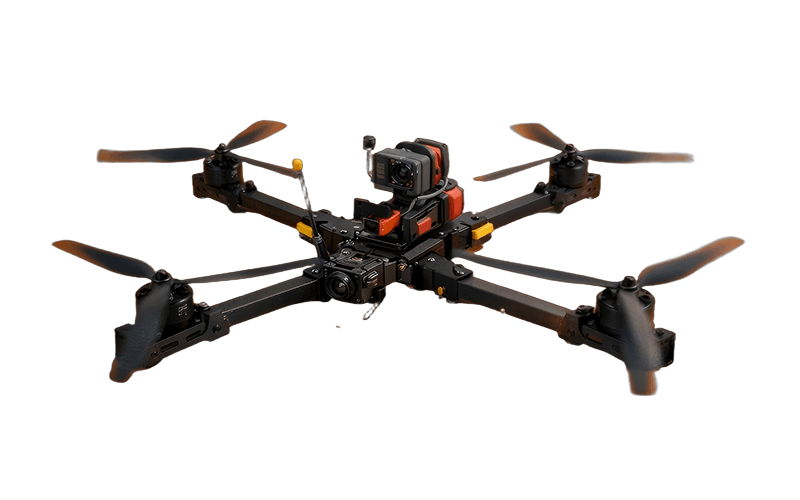
Picking out the best thermal drone for your specific needs can actually be pretty tricky. I mean, with so many options out there, it’s really important to know which features actually matter most. Thermal drones are pretty cool because they can sense temperature and gather visual data — kind of like high-tech tools that can do a lot. They’re super useful in industries like farming, firefighting, and security, to name a few.
One thing people often overlook, though, is how important it is to go for quality brands. Names like DJI and FLIR Systems are kinda the gold standard—they’ve got solid tech and reliable support to back it up. But, of course, these brands come with a range of prices, so finding a balance between what you need and what you can afford is key. Honestly, a lot of folks get overwhelmed trying to pick the right one because there are just so many options. The goal is to find a drone that’s actually suited for what you want to do.
Another thing to keep in mind is checking out the specs. Like, how long does the battery last? What's the camera resolution? How far can it fly? These little details really make a difference when it comes to performance. Not every thermal drone will perform great in every condition, so it’s smart to look up reviews and user feedback beforehand. Doing your homework helps a lot in making the right choice.
At the end of the day, picking the perfect thermal drone is all about matching the features to what you really need. It’s not just about getting the fanciest tech but finding a good fit for your specific application.
Thermal drones utilize sensors to detect heat. This technology enables a variety of applications. For instance, they are often used in search and rescue operations. These drones can locate a person by their body heat, even in complete darkness. This capability is invaluable in saving lives.
In agriculture, thermal drones help in monitoring crop health. By analyzing temperature variations, farmers can spot stressed plants. This aids in resource management and enhances yield. Furthermore, thermal imaging plays a role in building inspections. It can reveal heat leaks in buildings, helping to improve energy efficiency.
Despite their advantages, thermal drones come with challenges. Understanding their operational limitations is crucial. Many operators find that interpreting thermal images requires practice and skill. In some situations, weather conditions can hinder performance. These factors should be considered when selecting the right thermal drone for specific needs.
When selecting a thermal drone, consider the sensor resolution. Higher resolution means clearer images. This clarity helps experts identify temperature differences effectively.
Battery life is crucial for extended operation. A drone with longer battery life allows for more thorough inspections. This is essential in fields like firefighting or search and rescue. Look for models that offer at least 30 minutes of flight time.
Software compatibility should not be overlooked. User-friendly applications make data analysis simpler. Consider how the drone integrates with existing systems. This ensures efficient data collection and processing.
Pay attention to range and transmission quality. A dependable range is key for remote operations. If signals drop, critical data may be lost. Reliability is paramount for serious applications.
Consider ergonomics and build quality. Drones that are easier to handle reduce user fatigue. Lightweight options with durable construction can be beneficial. Reflect on how the design may affect your workflow in the field.
When selecting a thermal drone, clarity on your specific needs is essential. Different sectors utilize thermal imaging, including agriculture, construction, and search and rescue. Each has unique requirements. For instance, agricultural surveys often focus on vegetation health, while search and rescue operations require swift deployment for real-time situations.
Industry reports show that thermal imaging can enhance efficiency by up to 30%. In agriculture, this technology allows farmers to monitor crop conditions, detecting irrigation issues or pest activity early. In search and rescue, drones can cover large areas quickly, identifying heat signatures from missing persons. Setting clear objectives helps in narrowing down choices.
Consider the environment where the drone will operate. The temperature range, humidity levels, and potential obstructions matter. Some drones are better suited for outdoor use, while others excel indoors. Reflecting on the operational context can lead to better decision-making. Users might overlook battery life or camera resolution when focusing solely on features. Prioritizing your needs ensures that you select a drone that aligns not just with current tasks, but also with future applications.
When selecting a thermal drone, it's essential to explore various models and brands. Each drone comes with unique features tailored for specific needs. Some drones excel in long-range capabilities, making them suitable for large land surveys. Others might be compact but are incredibly efficient for urban operations. It's crucial to balance size and functionality based on your intended use.
Different brands offer distinct imaging technologies. Some drones provide higher resolution thermal images, which can significantly aid in search and rescue missions. Others focus on battery life and deployment speed, essential for time-sensitive operations. Familiarizing yourself with these variations can help you find the right fit.
Many users report challenges with certain models after purchase. Some experience difficulties with software integration or user interface complexities. This feedback highlights the importance of researching user reviews and expert analyses. Making an informed choice requires understanding both strengths and weaknesses in various thermal drones.
When considering a thermal drone, budget is a pivotal factor. The entry-level models typically range from $1,500 to $3,000. For those with more advanced needs, prices can escalate to $10,000 or beyond. It’s essential to balance cost with features that matter. A report from MarketsandMarkets in 2023 indicated that 60% of users prioritize thermal resolution when selecting a drone.
Understanding your specific requirements is vital. If your primary use is for inspections or search and rescue, investing in higher-quality infrared sensors is beneficial. Data indicates that high-resolution thermal imagery can significantly improve inspection outcomes, reducing time spent on each project. However, some users may find themselves spending more on features they may never use. This can lead to unnecessary costs that don’t match operational needs.
Another consideration is long-term maintenance expenses. While a lower initial price may seem attractive, ongoing costs can pile up. Users should evaluate pricing on software updates and part replacements. A study from the Drone Industry Association highlighted that nearly 25% of drone users underestimate these future expenses. Adopting a holistic view of costs helps in making a more informed decision.
| Feature | Entry Level ($1,000 - $2,000) | Mid Range ($2,000 - $5,000) | High-End ($5,000+) |
|---|---|---|---|
| Resolution | 320 x 240 | 640 x 480 | 1280 x 720+ |
| Flight Time | 20 - 25 mins | 25 - 35 mins | 40 mins+ |
| Range | 500 m | 2 km | 5 km+ |
| Thermal Sensor Type | Lepton | Uncooled | High-resolution uncooled |
| Price Range | $1,000 - $2,000 | $2,000 - $5,000 | $5,000+ |
User reviews and expert recommendations play a crucial role when selecting the best thermal drone. Many users highlight the importance of image quality. Drones with high-resolution thermal cameras can make a significant difference in performance. However, some users express concerns about battery life. A short battery duration can hinder the drone’s usability in lengthy tasks.
Experts often emphasize the significance of ease of use. User-friendly interfaces and straightforward controls are essential for both newcomers and seasoned operators. Some recommend training before use. It builds confidence and enhances flying skills. Others may find the initial learning curve frustrating, which can be a barrier to fully enjoying the technology.
Durability is another factor frequently discussed. Users point out that thermal drones must withstand harsh conditions. Weatherproofing and robust designs are preferred. However, some drones may not perform well in extreme temperatures. This could lead to unexpected failures during critical operations. Seeking out reviews from other users can provide insights into real-world performance, highlighting the importance of gathering varied opinions before making a final decision.
Maintaining a thermal drone is crucial for optimal performance. Regular inspections of hardware components can prevent malfunctions. Look for loose connections or wear on visual sensors. Keeping the drone clean from dust and debris enhances its thermal imaging capabilities. Frequent calibration is also necessary to ensure accurate readings, especially when operating in diverse environmental conditions.
Consider the support options available when choosing a thermal drone. Reliable customer service can be a lifesaver when problems arise. Access to professional repair services can save you time and hassle. Some manufacturers offer extensive online resources, such as tutorials and FAQs. These can provide quick solutions to common issues. It's important to ask about warranty terms and post-purchase support before making a decision.
Finally, think about your specific operational needs. Does your drone require upgrades or special features for your applications? Reflecting on these aspects can guide your selection process. A well-maintained drone is not just an investment in technology, but in achieving your mission goals efficiently. Make sure to create a maintenance schedule to keep your device in top shape.
: Consider features, range, and size based on your specific needs. Balance functionality with intended use for best results.
Drones offer different thermal image resolutions. Higher resolution aids in critical missions, while others focus on quick deployment.
Users often struggle with software integration and complex interfaces. Researching reviews can help in understanding these challenges.
High-resolution thermal images improve performance in various tasks. Many users value this feature for better outcomes.
Experts suggest user-friendly designs and training for better operation. Some users face a frustrating learning curve initially.
Short battery duration can limit usability, particularly on lengthy tasks. Battery life should be a key consideration when purchasing.
Robust designs and weatherproofing are essential. Some drones may struggle in extreme temperatures, risking failures.
Yes, some models may not perform as expected in challenging conditions. It's essential to gather various user experiences.
User reviews provide real-world insights. They help highlight strengths and weaknesses, allowing for informed decision-making.
New users may find the technology complex initially. Adequate research and training can help alleviate frustrations and enhance skills.
When choosing the best thermal drone for your needs, it's essential to understand the fundamental concepts and applications of thermal imaging technology. Identifying your specific requirements—be it for search and rescue operations, wildlife monitoring, or building inspections—will help narrow down your options. Key features to consider include sensor resolution, flight time, and payload capacity, as these can significantly impact your drone's performance.
Additionally, comparing different thermal drone models and brands can guide your selection process. It's important to factor in your budget, as prices can vary widely. User reviews and expert recommendations can provide valuable insights into the reliability and efficiency of various models. Lastly, consider the maintenance and support options available for your thermal drone to ensure it operates effectively over time. By taking these factors into account, you can make a well-informed decision that meets your thermal imaging needs.